
Published October 2026.
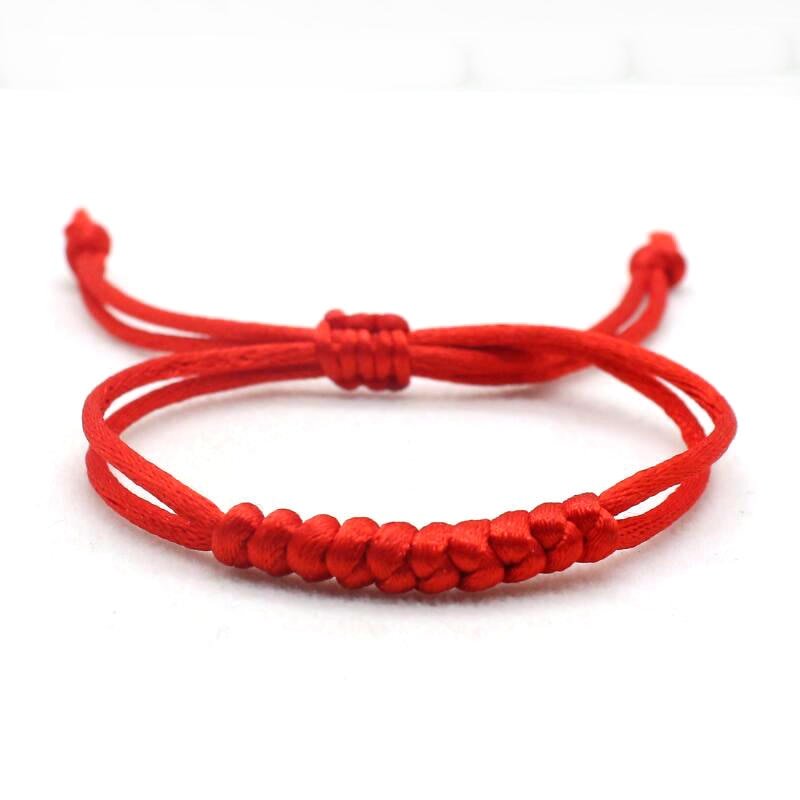
A Mexican red bracelet, often called a pulsera roja or hilo rojo, is a simple red string or beaded bracelet worn for protection against mal de ojo, the evil eye. In Mexico and across Latin America it is tied on newborns, given by grandmothers and worn by adults who want a little extra protection from envy and bad energy. It often comes paired with other traditional amulets, like the ojo de venado seed or a black azabache charm. Here is what each one means and how they are worn.
On this page:
- What Does a Mexican Red Bracelet Mean?
- Mal de Ojo in Mexican Tradition
- Ojo de Venado: The Deer’s Eye Amulet
- Azabache: The Black Jet Charm
- The Evil Eye Bead
- Red Bracelets for Babies
- How to Wear a Mexican Red Bracelet
- FAQ
What Does a Mexican Red Bracelet Mean?
In Mexican folk tradition, red is a color of strength, life and protection. A red thread tied around the wrist acts as a shield: it is believed to catch and deflect the negative energy of an envious or overly admiring look before it can affect the person wearing it.
The custom blends Spanish Catholic, Indigenous and Mediterranean influences, which is why a red bracelet in Mexico might be plain string, braided cord or beaded, and might carry a saint’s medal, an evil eye bead, an ojo de venado or an azabache charm. What they share is the same purpose: protection from mal de ojo.
Mal de Ojo in Mexican Tradition
Mal de ojo is the belief that a strong look, usually one full of envy or admiration, can transfer harmful energy to another person. In Mexico it is said to cause sudden fussiness and crying in babies, and headaches, fatigue or a run of bad luck in adults.
Traditional responses include a limpia (spiritual cleansing), often done by passing an egg over the body, prayers, and the custom that someone who admires a baby should touch them to cancel any accidental evil eye. Amulets like the red bracelet are the everyday, preventive side of the tradition. For a deeper look at the belief itself, read our complete guide to mal de ojo.
Ojo de Venado: The Deer’s Eye Amulet
Ojo de venado means “deer’s eye.” It is a large, glossy brown seed with a dark band that resembles an eye, which is where it gets its name. In Mexico and Central America it is one of the best-known amulets against mal de ojo.
A traditional ojo de venado is tied with red thread or finished with a red tassel and is often decorated with a tiny image of a saint or the Virgin of Guadalupe. It is pinned to a baby’s clothing, hung from a stroller or worn on a bracelet or necklace. Many families also carry one in a pocket or keep it in the car for protection while traveling.
Azabache: The Black Jet Charm
Azabache is jet, a black stone formed from fossilized wood. The tradition traces back to Spain and is especially strong in Puerto Rico, the Dominican Republic, Cuba and Mexico. Azabache is usually carved into a small closed fist, called a mano or higa, and worn on a red or gold bracelet.
The belief is that the black stone absorbs envy and negative energy. If an azabache cracks or breaks, many families say it has done its job by taking a hit meant for the wearer. Azabache bracelets are a classic baptism and baby shower gift.
The Evil Eye Bead
Today many Mexican red bracelets carry a blue evil eye bead, sometimes called an ojito. The eye design came from Mediterranean and Middle Eastern traditions, but it has become part of Latin American protection jewelry because it shares the same purpose: to “look back” at harmful glances and reflect them away. A red string with an evil eye combines two layers of protection in one bracelet. Curious what the different eye colors mean? See our evil eye color guide.
Red String and Evil Eye Protection
Our adjustable red string evil eye bracelet fits babies and small wrists and adjusts larger as they grow. For adults, try the Mal de Ojo Braided Amulet or browse the full Mal de Ojo collection.
Red Bracelets for Babies
In Mexico, a baby’s first red bracelet is often a gift from a grandmother, godparent or close family friend. Babies are considered especially vulnerable to mal de ojo because everyone wants to look at them, hold them and compliment them, and that attention is exactly what the bracelet is meant to protect against.
Families may choose a plain red thread, a red bracelet with an ojo de venado, an azabache bracelet or a red string with an evil eye bead. Some also follow the folk remedy of placing a small piece of red thread on a baby’s forehead to soothe hiccups.
Safety first: any bracelet, string or small charm can be a choking or strangulation hazard for infants, and the FDA has warned against teething jewelry. Only put a bracelet on while you are actively watching your baby, and remove it for naps, nighttime sleep and car rides. Many families pin the amulet to clothing or a stroller instead. Our baby protection bracelet guide covers this in more detail.
How to Wear a Mexican Red Bracelet
- Have someone tie it for you. Traditionally a parent, grandparent or someone who loves you ties it on, often with a short prayer or blessing.
- Wear it every day. The bracelet works as constant, everyday protection, so most people leave it on.
- Left or right wrist? There is no single rule in Mexican custom. Many choose the left wrist, which several protection traditions link to receiving energy, but follow your family’s practice.
- When it breaks, replace it. A broken red bracelet is commonly believed to have absorbed something negative. Thank it and put on a new one.
- Layer if you like. Red string, azabache and evil eye bracelets are often worn together for extra protection.
The red string is a global tradition, not only a Mexican one. To see how it is worn in Kabbalah, Hinduism, Buddhism and Chinese culture, read Red String Bracelet Meaning.
Frequently Asked Questions
What does a red bracelet mean in Mexican culture?
In Mexican and wider Latin American tradition, a red bracelet or red thread is worn for protection against mal de ojo, the evil eye caused by envious or overly admiring looks. It is especially common on babies and young children.
What is an ojo de venado?
Ojo de venado, or “deer’s eye,” is a large brown seed traditionally worn as an amulet against mal de ojo. It is usually tied with a red thread or tassel and often decorated with a small image of a saint or the Virgin of Guadalupe.
What is an azabache?
Azabache is jet, a black stone formed from fossilized wood. In Spanish, Caribbean and Latin American tradition it is carved into a small charm, often a closed fist called a mano or higa, and worn to absorb envy and protect babies from mal de ojo.
Why do Mexican babies wear red bracelets?
Babies are believed to be especially vulnerable to mal de ojo because everyone admires them. A red bracelet, sometimes with an ojo de venado, azabache or evil eye charm, is a traditional way for families to protect a newborn. Always supervise a baby wearing any bracelet and remove it for sleep.
Which wrist do you wear a Mexican red bracelet on?
There is no single rule in Mexican tradition. Many people wear it on the left wrist, which is linked to receiving energy in several protection traditions, but family custom matters most.
What does it mean if my red bracelet breaks?
A common belief is that a broken protection bracelet has absorbed negative energy or blocked a bad glance meant for you. Many people simply thank it and replace it with a new one.
Related Guides
- Evil Eye Meaning: The Complete Guide to Mal de Ojo
- Baby Protection Bracelets: Red String, Evil Eye & Azabache
- Red String Bracelet Meaning
- Protection Bracelets: 12 Types and How to Choose
Written by Lucky One
Lucky One is the voice behind the One Lucky Wish Blog. As part of the father-daughter team running One Lucky Wish from their home in Maryland, Lucky One writes about angel numbers, crystals, spiritual jewelry, and the everyday practice of inviting more meaning, protection, and abundance into your life. Every piece of jewelry that ships from One Lucky Wish is personally handled, cleansed, and charged with positive intention by the same people who write these words.