
Published October 2026.
Every culture has its own way of greeting the new year with a little extra luck. In Spain, people race to eat 12 grapes before the clock finishes striking midnight. In the American South, a bowl of black-eyed peas and greens is said to bring coins and cash. In Scotland, the first visitor through your door decides your fortune. Here are the most popular New Year’s good luck traditions from around the world, what each one means, and simple ways to bring a few of them into your own celebration this year.
Start the Year Wearing Red
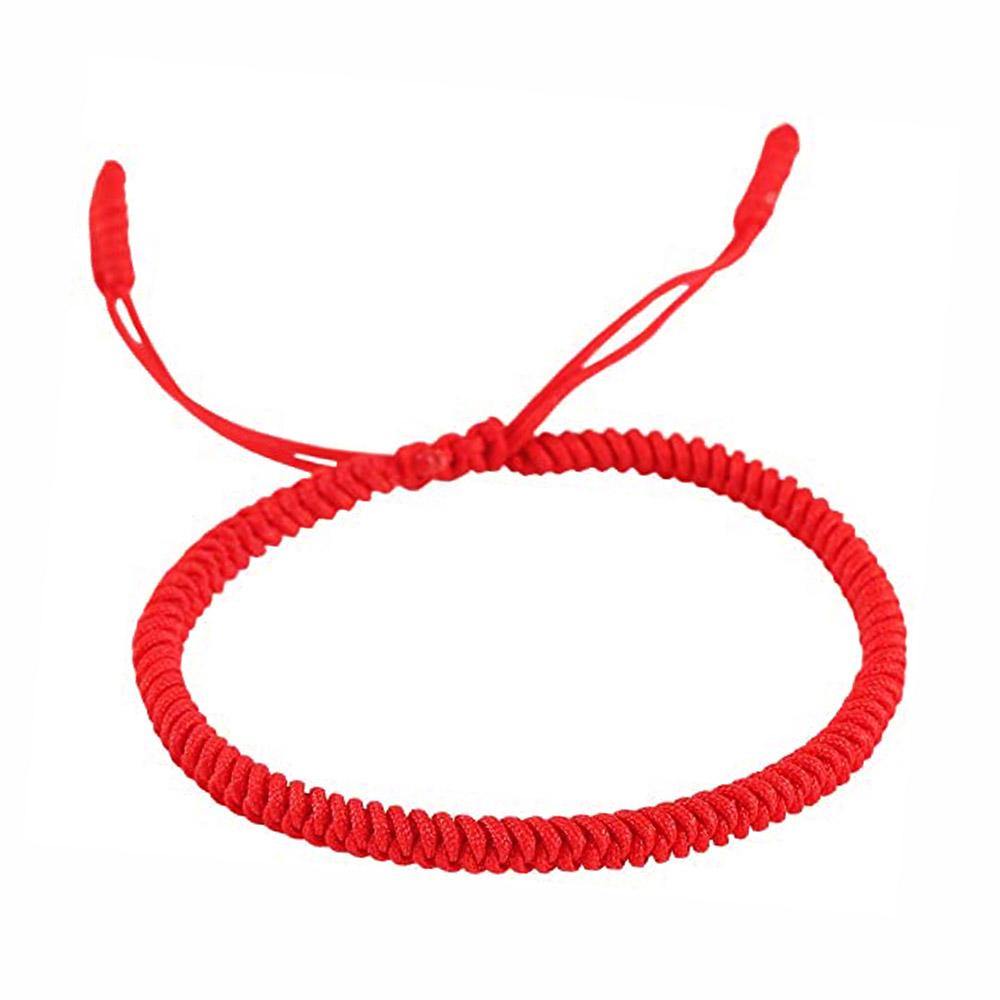
Red is one of the most widely shared colors of luck and protection. Our Red String Protection Bracelet is a simple way to carry that intention from New Year’s Eve into every day of the year.
On this page:
- Lucky New Year’s Foods
- What to Wear for New Year’s Luck
- Midnight Rituals and Customs
- New Year’s Superstitions: What Not to Do
- How to Bring Good Luck Into Your New Year
- Frequently Asked Questions
Lucky New Year’s Foods
1. The 12 Grapes of Luck (Spain and Latin America)
Las doce uvas de la suerte is probably the most famous New Year’s good luck tradition in the world. At midnight, people eat one grape for each of the 12 chimes of the clock, and each grape stands for a month of the coming year. Finish all 12 before the last chime and you are said to be guaranteed a lucky year. Tip: choose small, seedless grapes, and have them ready in a cup before the countdown starts.
2. Black-Eyed Peas, Greens and Cornbread (American South)
A traditional Southern New Year’s Day meal is all about prosperity: black-eyed peas represent coins, collard or other greens represent folded money, and golden cornbread stands for gold. Some families add a coin to the pot, and whoever finds it gets extra luck.
3. Lentils (Italy)
In Italy, lentils are eaten on New Year’s Eve because their small, round shape looks like coins. The more you eat, the more money you are said to receive in the year ahead. They are often served with cotechino or zampone, rich pork sausages.
4. Pork and Lucky Pigs (Germany, Austria and Beyond)
Pigs root forward with their snouts, so eating pork on New Year’s is said to help you move forward. In Germany and Austria, little marzipan pigs called Glücksschweine (“lucky pigs”) are given as good luck gifts. Chicken is traditionally avoided, because chickens scratch backward.
5. Toshikoshi Soba (Japan)
On New Year’s Eve, many Japanese families eat toshikoshi soba, “year-crossing noodles.” The long buckwheat noodles symbolize a long life, and because soba breaks easily, they are also said to help you let go of the hardships of the past year.
6. 12 Round Fruits (Philippines)
In the Philippines, many families display 12 round fruits on the table at midnight, one for each month. Round shapes resemble coins and stand for prosperity. You will also see plenty of polka dots on New Year’s Eve outfits for the same reason.
7. Vasilopita and the Hidden Coin (Greece)
Greek families cut a vasilopita, a sweet New Year’s bread or cake with a coin baked inside. Whoever finds the coin in their slice is said to have good luck for the whole year.
What to Wear for New Year’s Luck
8. Lucky Underwear Colors (Latin America)
Across much of Latin America, the color of your underwear on New Year’s Eve sets your intention for the year: yellow for luck and prosperity, red for love and passion, white for peace and green for health. Many people buy a new pair just for the occasion.
9. Wearing Red
Red is one of the most widely shared colors of luck. It is worn for Lunar New Year in China and much of Asia, used for protection in the red string traditions of Kabbalah, Hinduism and Latin America, and chosen for New Year’s Eve outfits around the world. Learn more in our guide to the red string bracelet and our post on the Chinese red string bracelet and Lunar New Year (Lunar New Year 2027 falls on February 6).
10. Wearing White and Jumping Seven Waves (Brazil)
In Brazil, millions of people dress in white for peace on New Year’s Eve. At the beach, many jump over seven waves at midnight, making a wish with each one, and leave flowers in the sea as an offering to Iemanjá, the goddess of the ocean.
Midnight Rituals and Customs
11. Walking With an Empty Suitcase (Latin America)
Hoping to travel this year? In countries including Colombia and Mexico, people grab an empty suitcase at midnight and walk it around the block, or at least around the house, to invite a year full of trips.
12. First-Footing (Scotland)
During Hogmanay, the Scottish New Year, the first person to cross your threshold after midnight is called the “first-foot” and decides your luck for the year. Traditionally, a tall, dark-haired visitor bringing gifts like coal, salt, shortbread or whisky is the luckiest of all.
13. Smashing Plates (Denmark) and Pomegranates (Greece)
In Denmark, people save chipped or old dishes all year and smash them against friends’ and neighbors’ front doors on New Year’s Eve; the bigger the pile, the more friends and luck you have. Many Danes also jump off a chair at midnight to “leap” into the new year. In Greece, a pomegranate is smashed at the front door on New Year’s Day, and its scattered seeds represent abundance.
14. 108 Bells (Japan)
At Buddhist temples across Japan, bells are rung 108 times around midnight in a ceremony called joya no kane. Each strike is said to clear away one of the 108 worldly desires, so you can start the new year with a clean slate.
15. Throwing Out a Bucket of Water (Puerto Rico and Cuba)
Some families throw a bucket of water out the window or door at midnight to wash away the bad luck and troubles of the old year.
16. Fortune-Telling With Wax (Germany and Finland)
A popular New Year’s Eve game involves melting a small piece of wax or tin, dropping it into cold water, and reading the shape it forms as a prediction for the year: a heart for love, a ship for travel. Traditionally lead was used, but wax is the common choice today.
New Year’s Superstitions: What Not to Do
Many New Year superstitions are about not “setting the tone” for a hard year. Some of the most common:
- Don’t sweep or take out the trash on New Year’s Day, so you don’t sweep your good luck out the door.
- Don’t lend money or pay off debts on January 1, or you may spend the year paying out.
- Don’t start the year with an empty wallet or pantry. A few bills in your pocket at midnight are said to bring a prosperous year.
- Don’t break anything or cry on the first day of the year.
- Do open the doors and windows at midnight to let the old year out and the new one in.
How to Bring Good Luck Into Your New Year
You don’t have to adopt every tradition. Pick a few that speak to you and make them your own:
- Eat something lucky. Grapes at midnight, lentils on New Year’s Eve or black-eyed peas on New Year’s Day.
- Wear your intention. Red for luck and protection, yellow for prosperity, white for peace.
- Set an intention with a number. Many people choose an angel number for the year ahead, like 111 for new beginnings or 888 for abundance.
- Carry a lucky charm. A red string bracelet, an evil eye or a lucky dime in your wallet can serve as a daily reminder of the year you want to create.
- Clear out the old. Tidy your home before the new year (just not on New Year’s Day).
Wear Your Intention for the New Year
Choose an angel number necklace for the energy you want to invite, or a protection bracelet to carry good luck with you every day.
Frequently Asked Questions
What are some New Year’s good luck traditions?
Popular New Year’s good luck traditions include eating 12 grapes at midnight (Spain and Latin America), wearing red or yellow underwear (Latin America), eating black-eyed peas and greens (the American South), lentils (Italy), long soba noodles (Japan), first-footing (Scotland), smashing plates (Denmark) or a pomegranate (Greece), and carrying an empty suitcase around the block for a year of travel.
Why do people eat 12 grapes on New Year’s Eve?
The tradition comes from Spain, where people eat one grape for each of the 12 chimes of the clock at midnight. Each grape stands for one month of the coming year, so finishing all 12 before the last chime is said to bring a full year of good luck. The custom spread throughout Latin America.
What color underwear should you wear on New Year’s Eve?
In many Latin American countries, yellow underwear is worn for luck and prosperity in the new year, and red for love and passion. Some people choose white for peace or green for health.
What should you eat on New Year’s Day for good luck?
In the American South, black-eyed peas (for coins), collard greens (for money) and cornbread (for gold) are traditional. In Italy it’s lentils, in Germany pork, and in Japan long toshikoshi soba noodles eaten on New Year’s Eve. Many traditions avoid chicken, since chickens scratch backward.
What should you not do on New Year’s Day?
Common New Year superstitions say not to sweep or take out the trash (you might sweep away good luck), not to lend money or pay off debts on the first day (it may set the tone for the year), and not to break anything or cry. Many people also try to start the year with a full wallet and a full pantry.
Written by Lucky One
Lucky One is the voice behind the One Lucky Wish Blog. As part of the father-daughter team running One Lucky Wish from their home in Maryland, Lucky One writes about angel numbers, crystals, spiritual jewelry, and the everyday practice of inviting more meaning, protection, and abundance into your life. Every piece of jewelry that ships from One Lucky Wish is personally handled, cleansed, and charged with positive intention by the same people who write these words.